The National Firearms Act (NFA) of 1934 is a federal law that regulates certain types of firearms and accessories in the United States. The NFA was introduced as a response to the increase in violent crimes associated with machine guns during the Prohibition Era. The Act imposed a tax on the manufacture and transfer of certain firearms and accessories and required their registration with the Bureau of Alcohol, Tobacco, Firearms, and Explosives (ATF).
The NFA regulates several types of firearms, including:
- Machine guns: Any firearm that can fire more than one shot with a single trigger pull is classified as a machine gun under the NFA.
- Short-barreled rifles (SBRs): Rifles with a barrel length of less than 16 inches are considered SBRs under the NFA. This includes rifles with a detachable stock or other features that make them easier to conceal.
- Short-barreled shotguns (SBSs): Shotguns with a barrel length of less than 18 inches are classified as SBSs under the NFA.
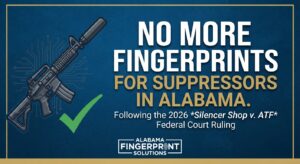
- Suppressors: Devices designed to reduce the noise of a firearm when fired. These devices are also known as silencers, although they do not completely silence a firearm. Suppressors are regulated under the NFA and require a tax stamp and registration with the ATF.
- Any Other Weapons (AOWs): This category includes firearms that are not easily classified as any of the above. AOWs include firearms that are designed to look like a pen or other everyday item, as well as those that fire shotgun shells from a smoothbore pistol.
The NFA imposes a $200 tax on the manufacture and transfer of these firearms and accessories, and all transactions must be approved by the ATF. The registration process can take several months, and applicants must submit fingerprints and a photograph with their application.
The NFA is legislation intended to regulate certain types of firearms considered particularly dangerous. By imposing strict regulations on the manufacture and transfer of these firearms and accessories, the NFA aims to keep them out of criminals’ hands. Whether it actually accomplishes this is a topic of debate.
When a person applies to purchase, manufacture, or transfer a firearm controlled by the NFA, they must submit a fingerprint card or an electronic fingerprint transmission (EFT) file. At Alabama Fingerprint Solutions, we provide our clients with either, at their preference. Submitting fingerprint cards costs less but takes longer. An EFT file costs more, but results are returned faster, and they can be reused indefinitely.
If you are in need of fingerprinting services for an ATF submission or other purpose, use the button below to schedule an appointment.